A Tucson Homeowner’s Guide to Fixing a Slow or Completely Blocked Sink
By Brian Dunn, Owner | Dunn Plumbing & Drain Service LLC
Contributions from Cory Harding, Licensed Contractor & Plumbing Expert
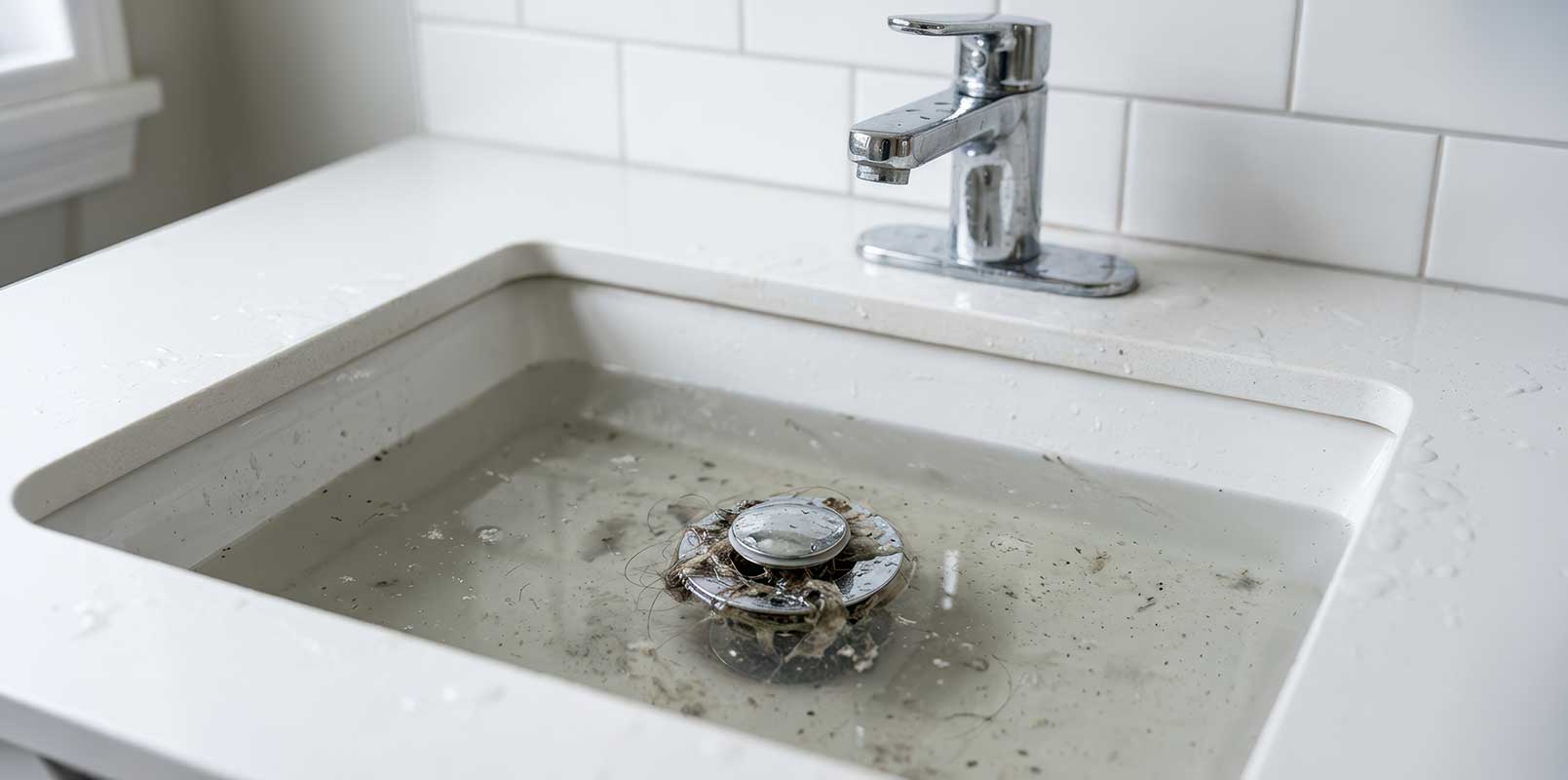
You brush your teeth, turn off the faucet…and the water is still sitting there.
Five minutes later, it is still sitting there.
A clogged bathroom sink is one of those plumbing problems that usually starts as an annoyance. The sink drains a little slower each week until one morning you realize you’ve created a very small indoor swimming pool.
The good news is that many bathroom sink clogs start close to the fixture and may have a relatively simple solution.
The important part is recognizing when the problem isn’t a simple sink clog.
After decades of working on plumbing systems in Tucson-area homes, Brian Dunn and Cory Harding have seen everything from ordinary hair and soap buildup to deteriorated cast-iron drain lines, improperly installed traps, and deeper drain problems that no bottle of chemical drain cleaner could possibly repair.
Here’s how to tell the difference.
Quick Answer: Why Won’t My Bathroom Sink Drain?
The most common causes of a clogged or slow bathroom sink include:
If only one bathroom sink is draining slowly, the problem may be close to that fixture.
If several fixtures are slow, gurgling, or backing up at the same time, the problem may be farther down the plumbing system.
That’s an important distinction.
Before You Call a Plumber: Check the Sink Stopper
Before spending money, look at the simplest possibility.
Bathroom sink stoppers are excellent at stopping water.
Unfortunately, they’re also pretty good at stopping:
Hair can wrap around the stopper mechanism while sticky residue collects around it.
Eventually, the opening becomes smaller and smaller.
If your stopper is designed to be removed easily and you feel comfortable doing so, remove it and clean the accumulated debris.
Run water afterward.
If the sink suddenly drains normally, congratulations.
You just became your own plumber for the afternoon.
No service call required.
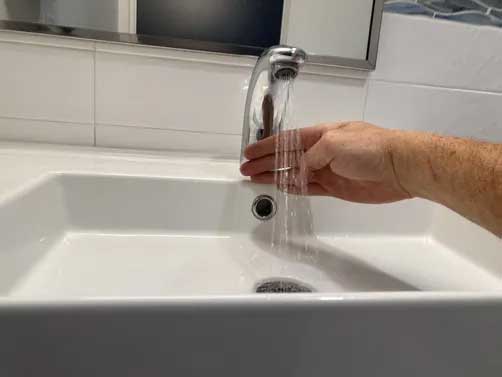
What If Cleaning the Stopper Doesn’t Work?
Then we move farther down the drain.
The next likely location is the trap underneath the sink.
The curved section of pipe below your bathroom sink is called the P-trap.
Its job isn’t simply moving wastewater.
The trap intentionally holds a small amount of water that creates a barrier between your home and sewer gases.
Unfortunately, that bend can also collect debris.
Hair and personal-care products can combine into a surprisingly stubborn mass.
If you are experienced with basic household repairs, a properly installed accessible trap may sometimes be removed and cleaned.
But there is an important warning.
If the plumbing is old, corroded, improperly installed, leaking, or you aren’t comfortable taking it apart, stop.
A $10 clog can become a cabinet full of water remarkably quickly.
Cory’s Corner: Beware of the Accordion Drain
One DIY repair Cory Harding encounters is the flexible accordion-style drain pipe installed underneath bathroom sinks.
It looks convenient.
It bends wherever you need it.
And installation seems much easier than fitting smooth plumbing components together.
There’s a problem.
Those little accordion ridges create excellent places for debris to collect.
Cory explains that these flexible traps can clog so easily that they may make it difficult for a plumber to warranty a drain clearing. The plumber can remove today’s clog, but the underlying configuration is still encouraging tomorrow’s clog.
Cory’s recommendation:
Sometimes the easy DIY solution isn’t actually the inexpensive solution.
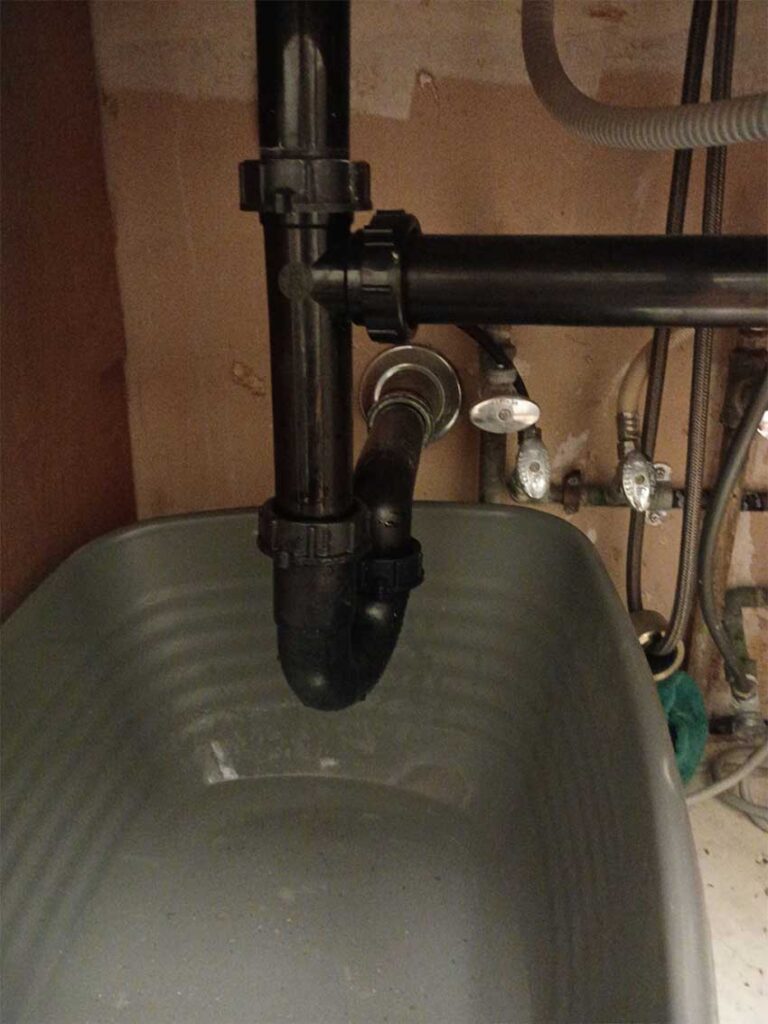
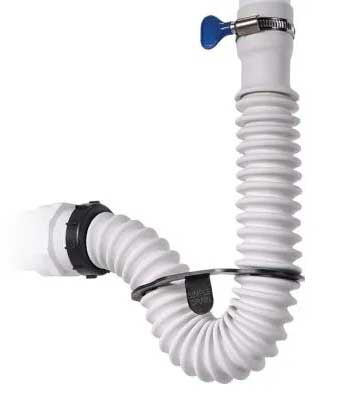
Proper smooth-wall plumbing creates a better drainage path.
Brian Dunn’s Advice: Don’t Assume the Clog Is at the Sink
After more than 25 years working with plumbing systems, Brian says homeowners commonly assume:
“The sink isn’t draining, so the clog must be right underneath the sink.”
Sometimes it is.
Sometimes it isn’t.
The visible problem is simply the place where the plumbing system is telling you something is wrong.
A blockage farther down the branch drain can affect the sink even when the trap itself is perfectly clear.
That’s why Brian believes recurring clogs deserve investigation instead of endless temporary clearing.
If Dunn Plumbing clears a recurring drain problem, Brian wants the team to understand why it clogged in the first place.
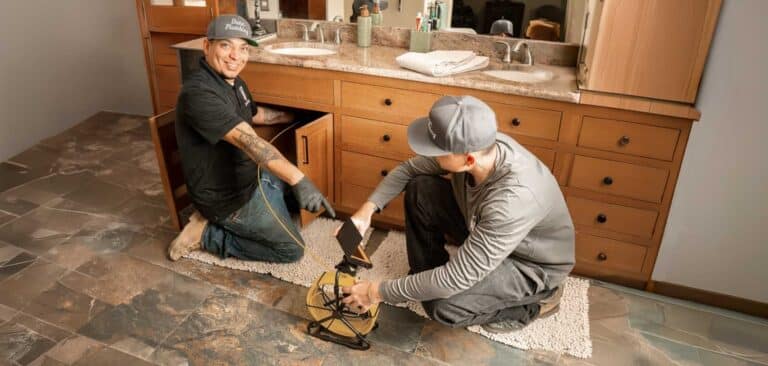
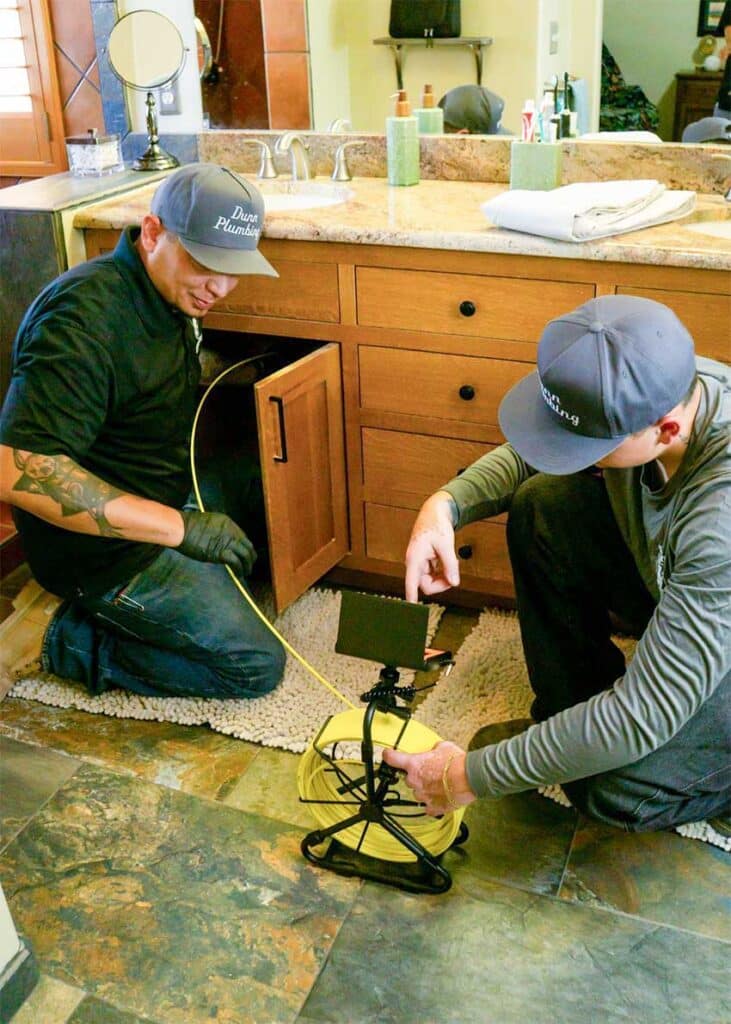
When conditions allow, camera equipment can help technicians inspect accessible drain and sewer lines rather than making an educated guess.
Brian’s rule is simple: We don’t like guessing. We like knowing.
How Do I Know Whether the Clog Is Deeper?
Pay attention to what the rest of your plumbing is doing.
A simple fixture clog generally affects one fixture.
A larger drain problem may start involving its neighbors.
Watch for:
Gurgling
If another fixture gurgles when you use the sink, air may be struggling to move through the drainage system.
Multiple slow drains
One slow bathroom sink may be local.
The bathroom sink, shower and toilet all acting strangely deserves more attention.
Water appearing somewhere else
If running the sink causes water to rise in another fixture, call a plumber.
Recurring clogs
If you clear the sink today and it’s slow again next week, you haven’t necessarily solved the problem.
You’ve bought it a vacation.
Sewer odor
Persistent sewer odors can indicate problems with the trap, venting, seals or drainage system and should be investigated.
Real Job Spotlight With Micah: Two Slow Drains, One Bigger Problem
A Tucson homeowner called Dunn Plumbing because both the bathroom sink and the laundry drain were moving slowly.
At first, it seemed reasonable to assume there were two separate clogs—one near the bathroom and another near the laundry area.
But once our team inspected the drain system, the problem turned out to be deeper than either fixture.
The inside of the drain lines had become heavily coated with a combination of fats, oils, grease, soap residue, and other buildup. Over time, that material had narrowed the usable space inside the pipes and slowed the flow of wastewater.
Instead of simply opening a small path through the buildup with a cable and leaving, the team recommended hydro jetting.
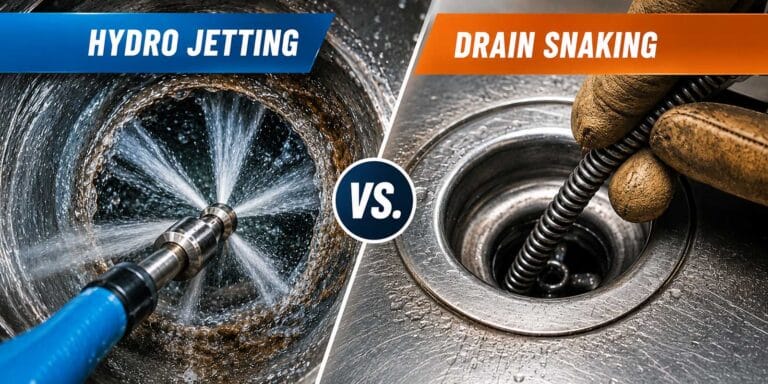
Hydro jetting uses high-pressure water with specialized nozzles to clean buildup from the inside walls of suitable drain lines. In this case, it allowed the team to clean the affected drain system more thoroughly rather than just treating the two slow fixtures individually.
After the lines were jetted, the bathroom and laundry drains were flowing properly again.
The lesson?
When more than one drain in the home starts slowing down, the problem may not be located at either fixture.
Sometimes the fixtures are simply the places where a larger drain-line problem begins to show itself.
Cory’s Take
Cory Harding sees this type of buildup regularly, especially in lines that carry grease, soap, lint, and other residue.
His advice is simple:
“If several drains are slowing down, don’t assume you have several separate clogs. Sometimes the inside of the drain system needs to be cleaned, not just opened.”
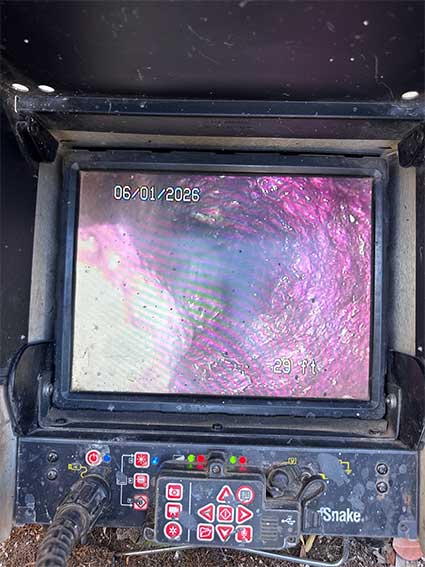
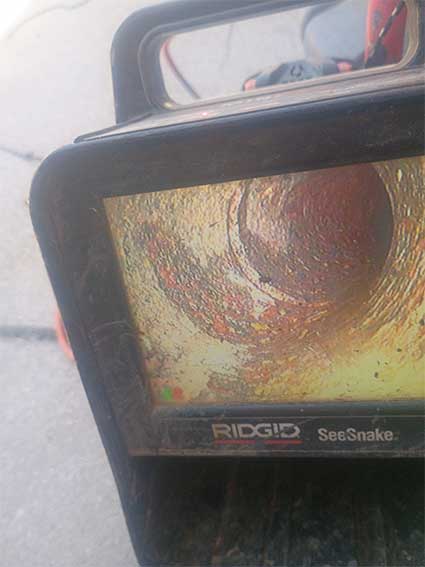
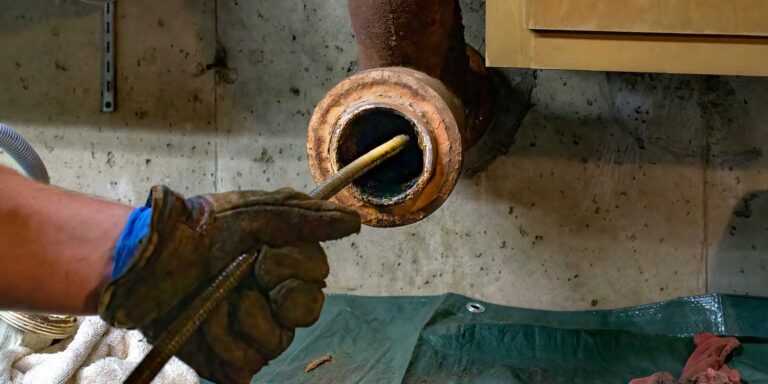
This drain line was coated with fats, oils, grease, soap, and other buildup. Hydro jetting cleaned the pipe walls and restored proper drainage.
What About Older Tucson Homes?
This is where local plumbing experience becomes especially important.
Tucson contains homes built across many different decades, which means plumbers encounter several generations of drainage materials.
One material Cory pays particular attention to is older cast iron.
Cast iron doesn’t necessarily fail overnight.
Its interior changes as it ages.
A pipe that originally had a relatively smooth drainage surface can become rough and deteriorated.
Brian describes badly aged cast iron as becoming almost Velcro-like inside.
Instead of waste flowing smoothly through the pipe, the rough surface begins catching material.
That can include:
The homeowner experiences another clog.
And another.
And another.
At some point the question changes from:
“How do we unclog this?”
to:
“Why does this keep clogging?”
Those are two very different plumbing questions.
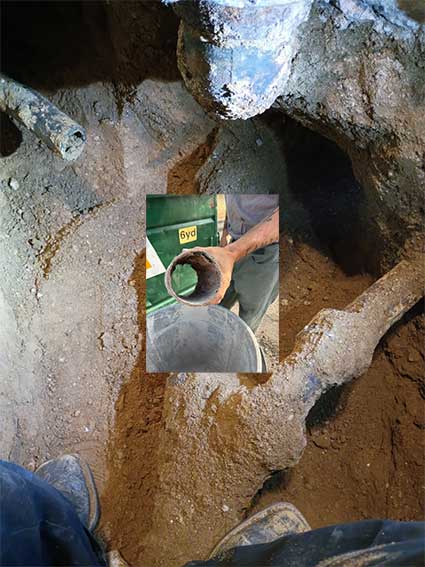
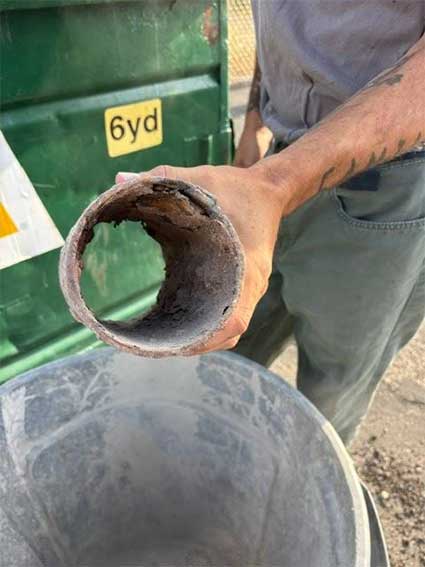
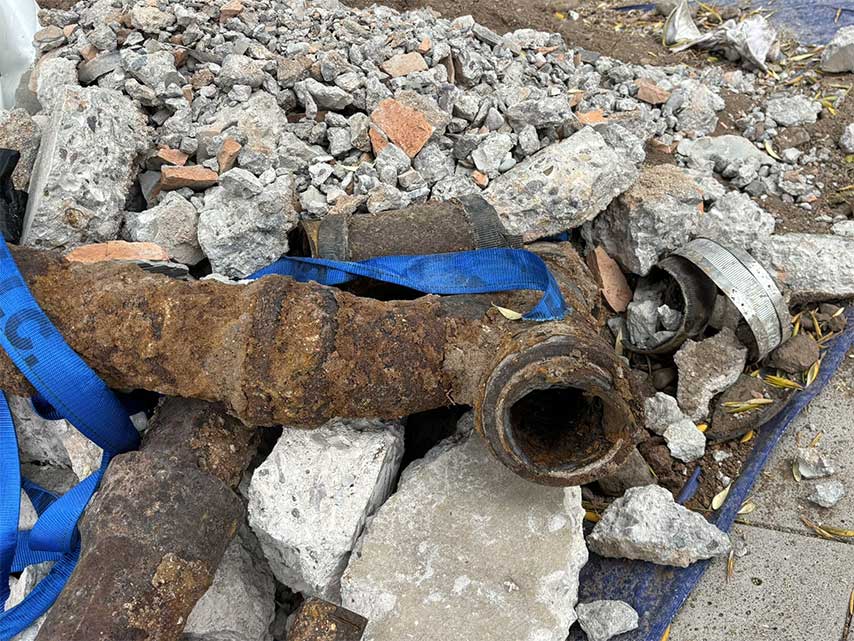
Deteriorated cast iron drain pipe removed from older Tucson home.
Should I Pour Drain Cleaner Into My Bathroom Sink?
Brian and Cory have a very strong opinion on this one:
They recommend avoiding harsh chemical drain cleaners.
The biggest problem isn’t simply whether the chemical creates an opening.
It’s what caused the clog.
A chemical cannot repair:
And if the chemical doesn’t clear the obstruction, the plumber now has to work on a clogged drain containing a potentially corrosive product.
Brian knows that risk personally.
On one service call, he wasn’t told that chemical drain cleaner had already been poured into the clogged drain.
When he began using the cable, chemical-containing liquid splashed back into his eyes.
It resulted in a serious exposure.
So please:
If you have already used a chemical drain cleaner, tell your plumber before they begin working.
We’re not going to scold you.
We would simply prefer that the surprise waiting inside your drain not be able to burn someone.
Learn more about chemical drain-cleaner safety from Poison Control and the EPA Household Hazardous Waste (HHW) guidance.
What Can I Safely Try Myself?
Brian and Cory aren’t against DIY plumbing.
They’re against dangerous DIY plumbing.
There’s a difference.
For a single slow bathroom sink, reasonable first steps may include:
1. Clean the stopper.
This should usually be your first move.
2. Remove visible hair.
Use an appropriate small manual hair-removal tool.
3. Use a properly sized hand-operated drain snake.
Brian and Cory consider nonpowered hand snakes much safer for homeowners than powered cable machines.
4. Check an accessible trap.
Only if you are comfortable doing so and the plumbing is in suitable condition.
Then stop.
If those basic measures don’t work, don’t keep escalating the battle.
Especially don’t jump from:
“The little hand snake didn’t work”
to:
“I rented the largest motorized drain machine available.”
Brian has a story about exactly why that’s a bad idea.
Real Job Spotlight: The Drain Snake Monster
A homeowner once rented a motorized drain-cleaning machine and fed the cable into an exterior cleanout.
There was just one problem.
He didn’t know exactly where that cable was going.
The powered cable traveled through the plumbing system, came out through the bathroom, caught the shower curtain, damaged the vanity, and continued into the hallway.
His child came running from the house yelling:
“The monster almost got me!”
From the child’s perspective, that was a perfectly reasonable description.
The homeowner called Dunn Plumbing with a very specific additional request:
Could Brian’s team repair everything before his wife got home?
They did.
But it’s a funny story with a serious lesson.
Professional drain machines develop significant torque. Used incorrectly, they can damage plumbing—and people.
Brian has retrieved broken cables from drain systems multiple times and says homeowners are responsible for many of those cases.
Cory has also seen a DIY cable operator suffer broken fingers.
Their recommendation is clear: powered drain-cleaning equipment belongs in experienced hands.
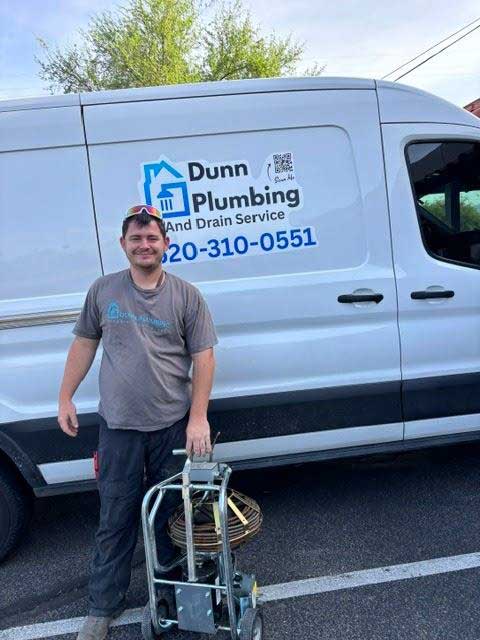
Why Does a Plumber Carry So Many Drain Machines?
Because your bathroom sink and your main sewer aren’t the same thing.
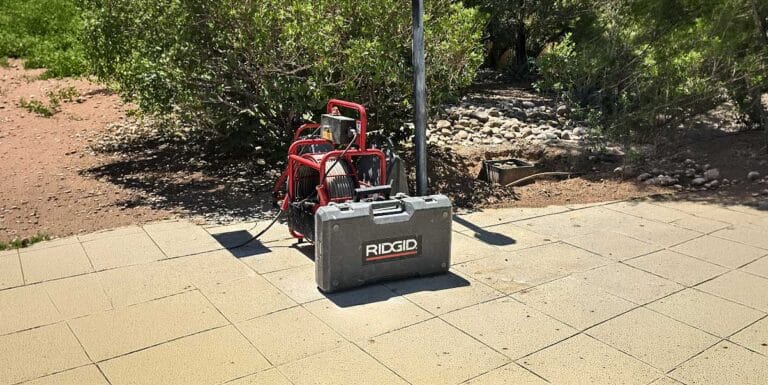
Brian explains that drain machines differ in:
Cory points out that an average home can contain numerous drain sizes.
That’s why professional drain cleaning shouldn’t simply mean:
“Grab the snake.”
The technician should select equipment appropriate for both the drain and the suspected problem.
When Does Hydro Jetting Make Sense?
Not every bathroom sink needs hydro jetting.
In fact, many don’t.
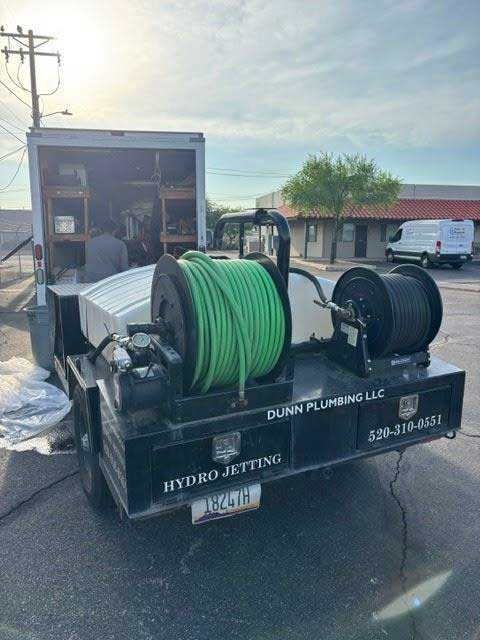
Hydro jetting becomes more useful when the problem isn’t simply an obstruction but buildup coating the interior of an appropriate drain line.
High-pressure water with specialized jetting heads can remove:
Think of the difference this way:
Cabling opens the road.
Hydro jetting cleans the road.
Before hydro jetting an older or questionable pipe, its condition should be evaluated.
You don’t want to pressure-clean a pipe that’s already waving a white flag.
DIY or Call a Plumber?
|
|
|
|||
|---|---|---|---|---|---|
|
Yes |
|
|||
|
|
|
|||
|
|
|
|||
|
|
|
|||
|
|
|
|||
|
|
|
|||
|
|
|
|||
|
|
Yes |
|||
|
No |
Yes |
|||
|
No |
Yes |
|||
|
No |
|
|||
|
Stop |
|
|||
|
No |
Yes |
What Does Dunn Plumbing Do Differently?
The objective isn’t simply:
Get the water moving and leave.
The objective is:
Determine why the water stopped moving.
Depending on the problem, Dunn Plumbing technicians have access to:
That matters because a company capable only of clearing a clog has one solution.
A company capable of diagnosing, cleaning, lining, repairing and replacing drains can recommend the solution appropriate for what is actually found.
Brian describes Dunn Plumbing’s philosophy as partnering with the homeowner.
Cory puts it even more simply:
Give the homeowner enough information to make an informed decision about their home.
What a Tucson Homeowner Said After Their Drain Service
Reasonable price · $2,000+
“Mario did a great job getting my problem diagnosed quickly and correctly and also explaining everything so I could understand it. I don’t remember the name of the man who completed the repair or the supervisor that also came out, but they were great to work with as well. Great team and I’m confident they can handle and do a great job with any plumbing issue you may have. Amazing job and 100/10 stars. I recommend. ”
Vince A.
Thank you, Vince!
How Can I Prevent My Bathroom Sink From Clogging Again?
Prevention is much cheaper than excavation.
Brian and Cory recommend:
Use drain strainers where appropriate.
Keep hair from entering the drain whenever possible.
Clean the stopper regularly.
Don’t wait until the sink stops draining.
Don’t wash inappropriate materials down the sink.
The drain is plumbing, not a garbage can with running water.
Avoid harsh chemical drain cleaners.
Especially in older plumbing systems.
Pay attention to changes.
A sink that suddenly begins draining differently is communicating with you.
Have recurring clogs investigated.
Three clogs in the same location aren’t three unrelated coincidences.
Consider preventive maintenance in older homes.
Cory particularly recommends annual plumbing inspections because hidden drain problems are far less expensive when discovered early.
Frequently Asked Questions
Get more answers from our Tucson plumbing experts.
Brian Dunn’s Final Advice
Brian estimates that more than half of the drain problems he sees could have been prevented or addressed earlier.
His advice isn’t that homeowners should call a plumber every time a sink drains slowly.
It’s that homeowners should pay attention when their plumbing starts behaving differently.
Clean the stopper.
Remove the hair.
Try the safe solution.
But when the same problem keeps returning, find out why.
That’s usually less expensive than waiting for the plumbing system to answer the question for you.
Cory Harding’s Final Advice
Cory’s philosophy is:
Be proactive instead of reactive.
Older drain systems don’t usually send homeowners a calendar invitation announcing when they’re going to fail.
Slow drainage, recurring clogs, strange odors, and gurgling are sometimes the warnings you get.
Listen to them.
The Dunn Plumbing Promise
We don’t believe every plumbing problem requires an expensive repair.
If the problem has a reasonable DIY solution, we’ll tell you.
If professional service is appropriate, we’ll explain why.
And if we discover a larger problem, we’ll show you what we’re seeing and discuss the available options.
Dunn Plumbing & Drain Service LLC provides professional drain cleaning, camera inspection, hydro jetting, pipe lining and drain repair throughout Tucson and surrounding communities.
No service or dispatch fee.
24/7 emergency plumbing available.
Call Dunn Plumbing: (520) 310-0551